WeChat Video Account Perangi “Live Drama Palsu”: Mengapa dan Apa Dampaknya?
Apa Itu “Live Drama Palsu” (剧本直播)?
Live drama palsu adalah live streaming yang menggunakan skrip rekayasa untuk menipu penonton. Bukan sekadar hiburan—praktik ini membentuk rantai “emosi–trafik–monetisasi” yang mengeksploitasi perasaan penonton demi keuntungan.
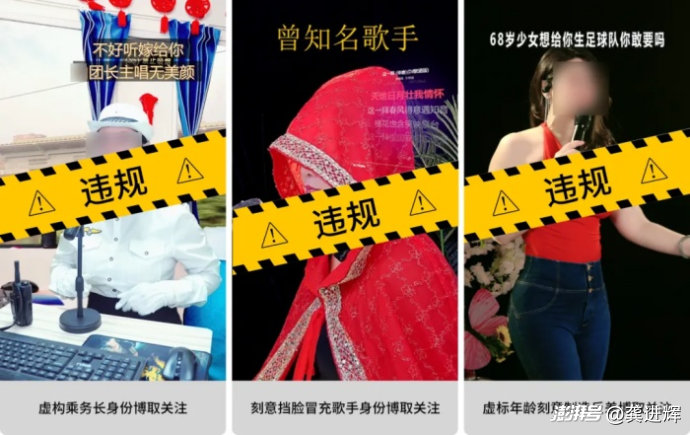
Menurut pengumuman WeChat Video Creation Safety Center, pola pelanggarannya mencakup enam bentuk utama:
| Pola | Contoh |
|---|---|
| Identitas fiktif | Mengaku ahli, tokoh publik, atau kelompok lemah untuk menciptakan kontras. |
| Plot karangan | Konflik emosional, perselisihan keluarga, eksplorasi mistis, petualangan luar ruang yang direkayasa. |
| Kostum aneh | Menutupi wajah, luka palsu, penampilan lawan jenis, gaya yang sengaja dibuat misterius. |
| Siaran palsu | Memakai rekaman layar atau gambar pra-rekaman yang dipalsukan sebagai siaran langsung. |
| Memancing monetisasi | Narasi memilukan, konflik, atau kepanikan untuk memicu donasi atau penjualan. |
Mengapa WeChat Video Account Melakukan Operasi Khusus Ini?
Karena yang paling dirugikan adalah kepercayaan. Live commerce dan donasi sama-sama dibangun di atas interaksi nyata. Begitu penonton menyadari bahwa konflik, permohonan bantuan, atau pembelaan hak yang mereka saksikan hanyalah drama yang dilatih, kredibilitas seluruh platform akan terdilusi.
Yang membedakan Video Account dari Douyin dan Kuaishou adalah akar ekosistem privat WeChat—yang justru biaya kepercayaannya lebih tinggi. Trafik Video Account bertumpu pada kepercayaan antar-kontak di WeChat, dan live drama palsu sedang menghabiskan keunggulan itu.
Apa Sisi Positif dari Kebijakan Ini?
- Selaras dengan ritme regulasi. Akhir September, Administrasi Cyberspace Tiongkok meluncurkan operasi dua bulan terhadap identitas palsu dan rekayasa konten. Operasi Video Account adalah tindak lanjut di tingkat platform.
- Batas makin jelas. Dulu banyak host memanfaatkan celah “asal tidak mengaku palsu, bukan penipuan”. Sekarang ditegaskan: menyamar sebagai realitas, menyesatkan penonton, dan memancing konsumsi bisa dikenai sanksi.
- Menguntungkan kreator sah. Akun yang mengandalkan konten nyata, layanan profesional, dan rantai pasok stabil tidak lagi tergusur trafik oleh skrip berkualitas rendah.
Apa Tantangan Terbesar dalam Penegakannya?
Realitanya tidak mudah—ada empat tantangan yang harus dihadapi:
| Tantangan | Penjelasan |
|---|---|
| Kesulitan identifikasi | Banyak live drama meniru adegan nyata secara sengaja—AI sulit membedakan konflik asli dari rekayasa. |
| Rantai monetisasi tersembunyi | Ada akun yang hanya “berakting” menarik trafik, lalu transaksi dilakukan lewat akun matriks, privat, atau tautan eksternal. |
| Risiko salah tangkap | Drama pendek dan skenario akting bukan masalah. Kuncinya: apakah jelas diberi label, apakah menyesatkan, apakah memancing konsumsi tidak rasional. |
| Akun black market berganti nama | Akun hitam sering memakai matriks multi-akun dan inkubasi massal MCN untuk menghindari sanksi. |
Apa yang Perlu Diperhatikan untuk Melihat Efektivitasnya?
Yang benar-benar efektif bukan sekadar pengumuman sekali, tetapi apakah platform mampu melakukan empat hal ini:
- Penandaan wajib untuk konten drama rekayasa—agar skrip tidak menyamar sebagai berita atau peristiwa nyata.
- Pertanggungjawaban seluruh rantai—bukan hanya memblokir akun “pemeran”, tetapi juga menelusuri akun penjualan dan MCN di belakangnya.
- Menaikkan biaya pelanggaran berulang—agar ganti akun dan ganti nama tidak lagi menguntungkan.
- Melindungi kreator sah—menghindari “sapu bersih” yang salah menangkap drama dan skenario normal.
Apa Kesimpulan dan Arah ke Depan?
Secara keseluruhan, live drama palsu bisa memanen trafik dalam jangka pendek, tetapi pasti menghabiskan kepercayaan platform dalam jangka panjang. Langkah Video Account kali ini arahnya benar—bukan menentang cerita atau dramatisasi dalam live streaming, melainkan menyerang model bisnis yang membungkus skrip palsu dengan kemasan realitas untuk memanen trafik kepercayaan.
What Is a “Fake Live Drama” (剧本直播)?
A fake live drama is a livestream that uses fabricated scripts to deceive viewers. It is not mere entertainment—it forms an “emotion–traffic–monetization” chain that exploits viewers’ feelings for profit.
According to the WeChat Video Creation Safety Center’s announcement, the violations cover six main patterns:
| Pattern | Example |
|---|---|
| Fake identity | Claiming to be an expert, public figure, or vulnerable group to create contrast. |
| Fabricated plot | Emotional conflict, family disputes, mystical exploration, staged outdoor adventures. |
| Bizarre costumes | Covering faces, fake wounds, cross-dressing, deliberately mysterious styling. |
| Fake broadcast | Using screen recordings or pre-recorded footage passed off as live. |
| Monetization baiting | Pity narratives, conflict, or panic talk to trigger donations or sales. |
Why Is WeChat Video Account Taking This Action?
Because trust is what suffers most. Live commerce and donations are both built on genuine interaction. Once viewers realize that the conflicts, pleas for help, or rights defenses they witnessed were just rehearsed drama, the credibility of the entire platform is diluted.
What sets Video Account apart from Douyin and Kuaishou is its roots in WeChat’s private ecosystem—where the cost of trust is even higher. Video Account’s traffic rests on trust between WeChat contacts, and fake live dramas are draining that advantage.
What Are the Positive Sides of This Policy?
- Aligned with regulatory rhythm. In late September, China’s Cyberspace Administration launched a two-month campaign against fake identities and staged content. Video Account’s operation is a platform-level follow-through.
- Clearer boundaries. Previously, many hosts exploited the loophole of “if I didn’t say it’s fake, it’s not fraud.” Now it is clear: disguising as reality, misleading viewers, and inducing consumption can all be penalized.
- Beneficial for legitimate creators. Accounts built on real content, professional services, and stable supply chains are no longer squeezed out of traffic by low-quality scripts.
What Are the Biggest Challenges in Enforcement?
The reality is not easy—four challenges must be faced:
| Challenge | Explanation |
|---|---|
| Hard to identify | Many fake live dramas deliberately mimic real scenes—AI struggles to distinguish genuine conflict from staging. |
| Hidden monetization chain | Some accounts only “act” to attract traffic, then complete transactions through matrix accounts, private channels, or external links. |
| Risk of false positives | Short dramas and acting scenarios are not the problem. The key: are they clearly labeled, misleading, or inducing irrational consumption? |
| Black-market accounts rebranding | Black accounts often use multi-account matrices and mass MCN incubation to evade penalties. |
What Should Be Watched to Measure Effectiveness?
What truly matters is not a one-time announcement, but whether the platform can do these four things:
- Mandatory labeling of scripted content—so scripts cannot masquerade as news or real events.
- Accountability across the entire chain—not just blocking “actor” accounts, but also tracing the sales accounts and MCNs behind them.
- Raising the cost of repeat violations—so changing accounts and aliases is no longer profitable.
- Protecting legitimate creators—avoiding a “sweeping crackdown” that mistakenly hits normal drama and scenarios.
What Is the Conclusion and the Road Ahead?
Overall, fake live dramas can harvest traffic in the short term but will inevitably drain platform trust in the long term. Video Account’s move is in the right direction—not opposing storytelling or dramatization in livestreams, but attacking the business model that wraps fake scripts in a realistic shell to harvest trust traffic.
什么是”剧本直播”?
剧本直播是指利用编排剧本欺骗观众的直播行为。它并非单纯的娱乐——而是形成了一条“情绪—流量—变现”的套路链,利用观众情感牟利。
据微信视频创作安全中心公告,违规行为主要包括六种模式:
| 模式 | 示例 |
|---|---|
| 虚构身份 | 自称专家、公众人物或弱势群体,制造反差。 |
| 编造剧情 | 情感纠纷、家庭矛盾、灵异探秘、户外探险摆拍。 |
| 猎奇造型 | 遮挡面部、伪造伤痕、反串装扮、故弄玄虚。 |
| 伪装直播 | 用录屏、预演画面冒充实时直播。 |
| 诱导变现 | 靠卖惨、冲突、恐慌话术刺激打赏或带货。 |
为什么微信视频号要开展专项治理?
因为最受伤的是信任。直播带货和直播打赏都建立在真实互动之上。一旦观众发现所谓冲突、求助、维权都是排练好的,平台整体可信度就会被稀释。
与抖音、快手不同,视频号的特殊性在于扎根微信私域——其信任成本更高。视频号的流量根基是微信熟人信任,而剧本直播正在透支这一优势。
这一政策有哪些积极意义?
- 与监管节奏接轨。9月底,中央网信办部署开展为期2个月的整治虚假人设、虚假摆拍专项行动。视频号此次治理属于平台层面的落地动作。
- 边界更清晰。以前很多主播靠”没说是假的就不算骗”钻空子。现在明确:伪装真实、误导观众、诱导消费,都可能被处罚。
- 对正规创作者是利好。靠真实内容、专业服务、稳定供应链做直播的账号,不会被低质剧本继续挤压流量。
治理面临哪些最大挑战?
现实并不轻松——有四大挑战需要面对:
| 挑战 | 说明 |
|---|---|
| 识别难 | 很多剧本直播刻意模仿真实场景,AI审核很难完全区分真实冲突和排练冲突。 |
| 变现链隐蔽 | 有的账号只负责演戏引流,再通过矩阵号、私域、连麦跳转完成交易。 |
| 容易误伤 | 短剧、情景演绎本身不是问题,关键在于是否明确标注、是否误导观众、是否诱导非理性消费。 |
| 封号后换号重来 | 黑产账号常通过多号矩阵、MCN批量孵化规避处罚。 |
要观察哪些方面来判断治理效果?
真正有效的不是发一次公告,而是看平台能否做到以下四点:
- 对虚构演绎内容强制标注——不让剧本伪装成新闻或真实事件。
- 对引流—变现全链路追责——不只是封表演账号,还要追查带货账号和MCN。
- 提高重复违规成本——让换号、换马甲不再划算。
- 保护合规创作者——避免”一刀切”误伤正常剧情创作。
结论与未来方向是什么?
综合来看,剧本直播短期能收割流量,长期一定透支平台信任。视频号这次出手方向是对的——不是反对直播有故事、有戏剧感,而是打击”用真实的外壳包装虚假剧本,收割信任流量”的商业模式。